


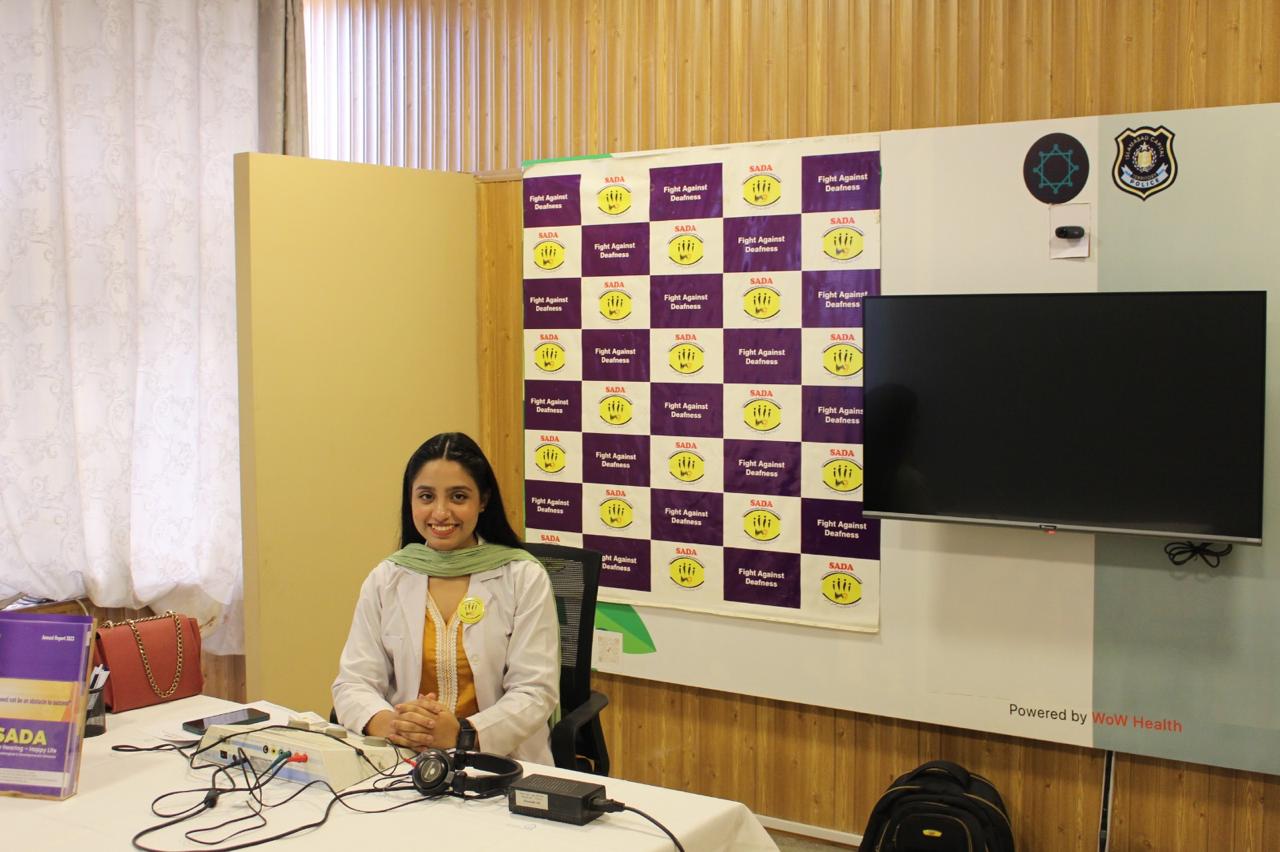
By Bushra Naseer — Clinical Audiologist and Director Programs, SADA
The deaf are often mute as well. But hearing-impaired individuals can overcome the barrier of speech impairment, if they are given the chance to hear and learn to speak. And when you hear a child, once locked in silence, speak with clarity and confidence, it is nothing short of electrifying.
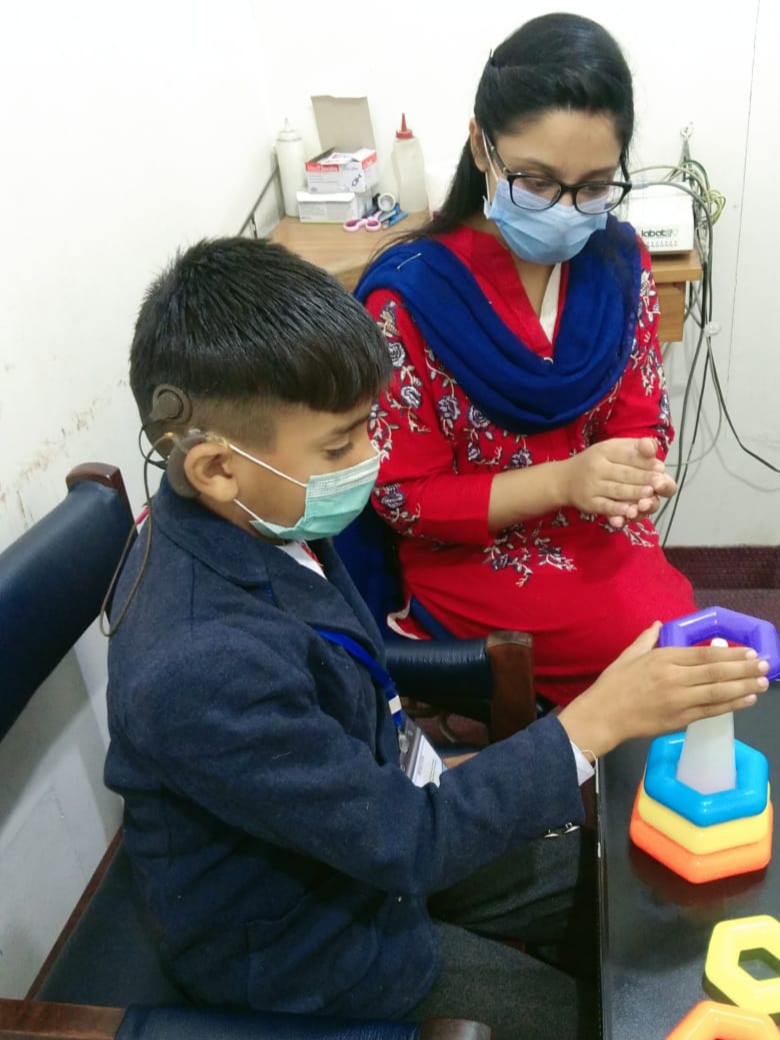
In my six years of clinical practice as an audiologist, I have had the privilege of helping countless hearing-impaired children step into a world of sound and discover their own voices. From a very young age, I felt drawn to work that could serve humanity, and I consider myself fortunate that my profession allows me to do exactly that.
For more than six years now, I have been associated with the Society for Audiological and Developmental Ailments (SADA), a non-profit organization based in Lahore, Pakistan, dedicated to supporting individuals with hearing impairments. Since 2019, I have been deeply involved in philanthropic work for hearing disability survivors, meeting families, sharing in their struggles, and witnessing firsthand the life-changing impact of early intervention.
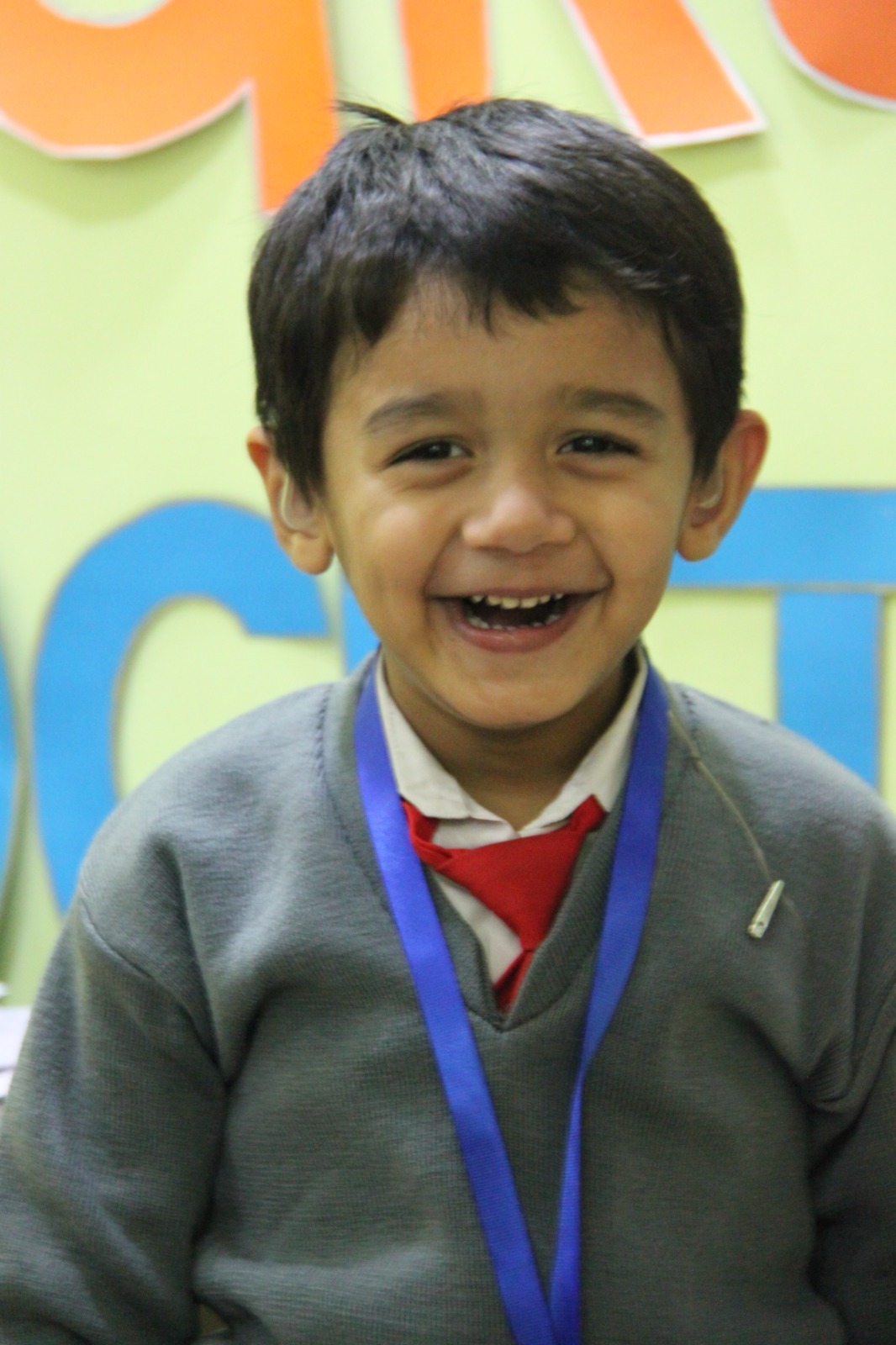
One story that has stayed with me is that of Sara, a 1.5-year-old baby girl diagnosed with profound sensorineural hearing loss. I still remember the moment I had to break the news to her parents, their firstborn could not hear. It was heart-wrenching. But with the support of SADA, Sara received a cochlear implant and began her journey at the Alam School for Speech and Learning (ASSL), a SADA project where children with hearing aids and cochlear implants learn for three years before transitioning to mainstream schools.
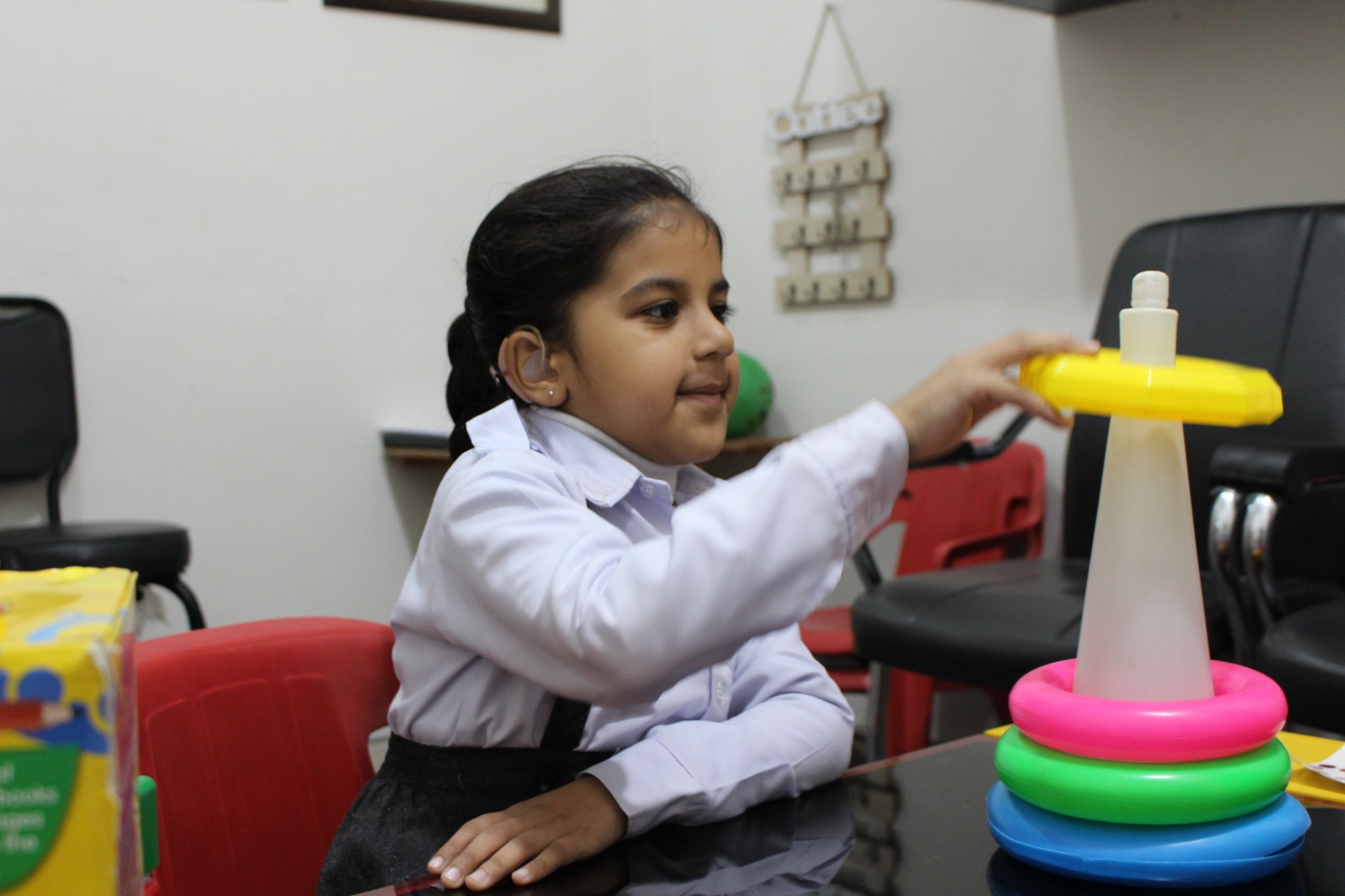
Today, Sara is thriving at one of the most renowned schools in Lahore. She speaks, she laughs, she asks questions, just like any other child her age. She has found her voice, and with it, her place in the world.
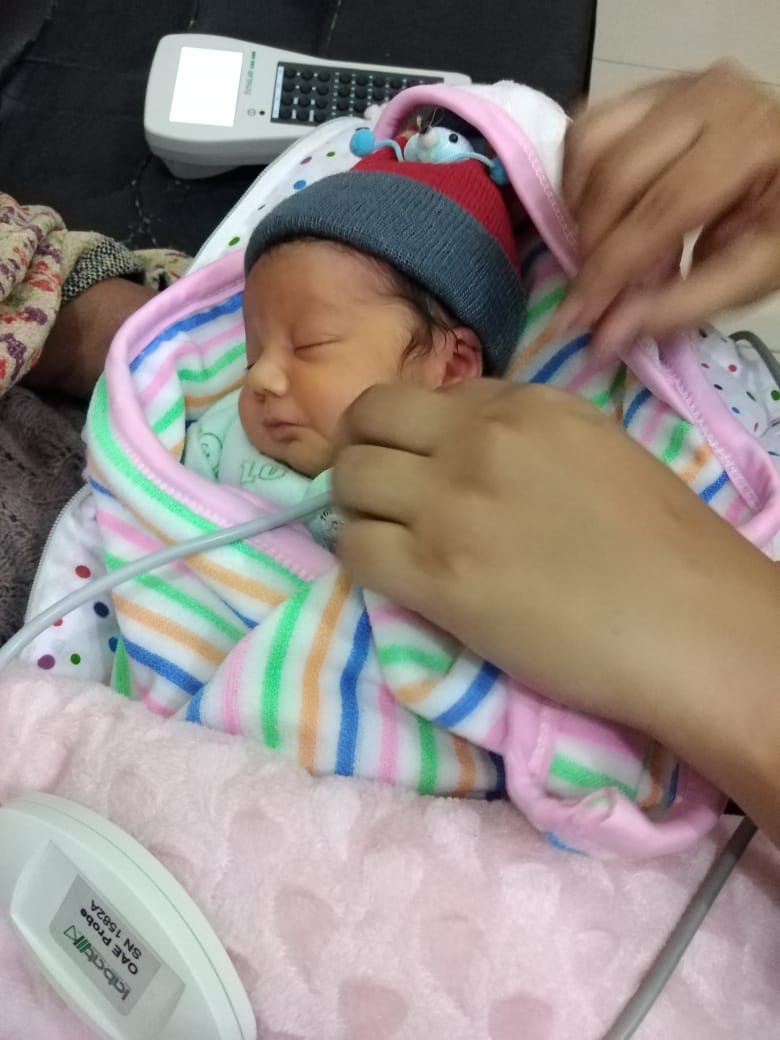
Sara’s story is not unique, but it is proof of what is possible. Hearing-impaired children can be freed from the silence of muteness, but only if they are diagnosed early and supported without delay. This is why newborn hearing screenings at birth are essential. Early detection allows timely interventions that give children the best chance to develop speech at a young age.
However, families cannot do this alone. The state has a critical role to play. Pakistan’s hearing-impaired children deserve access to resources that will help them lead fulfilling, productive lives. The path to giving them a voice requires commitment from both society and the state. Hearing impairment should not be a life sentence to silence, every child deserves the right to express themselves.
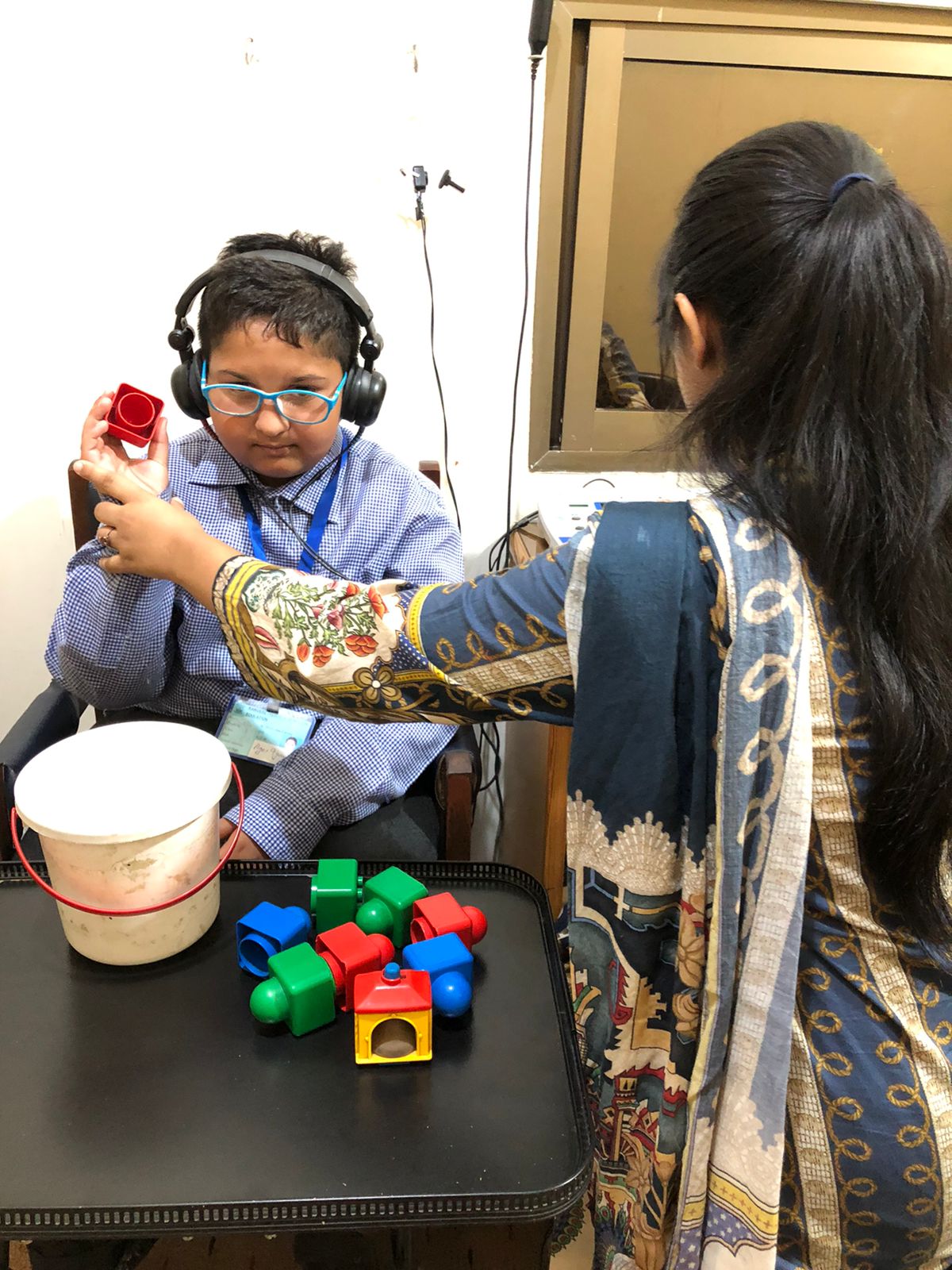
Sadly, in many rural areas, families remain unaware of the opportunities available for their children. Some schools are still hesitant to admit hearing-impaired students because of the extra support they require. This is where government action is vital. By funding educational audiologists and speech therapists in mainstream schools, or establishing dedicated institutions for children with hearing aids and cochlear implants, we can ensure they get the support they need to succeed. Such measures would not only improve their education but also build a more inclusive and understanding society.
Provincial governments must start with comprehensive surveys of schools for children with hearing disabilities and strengthen their special education departments. While NGOs have been doing commendable work in this space, partnerships with the state could multiply their reach and impact.
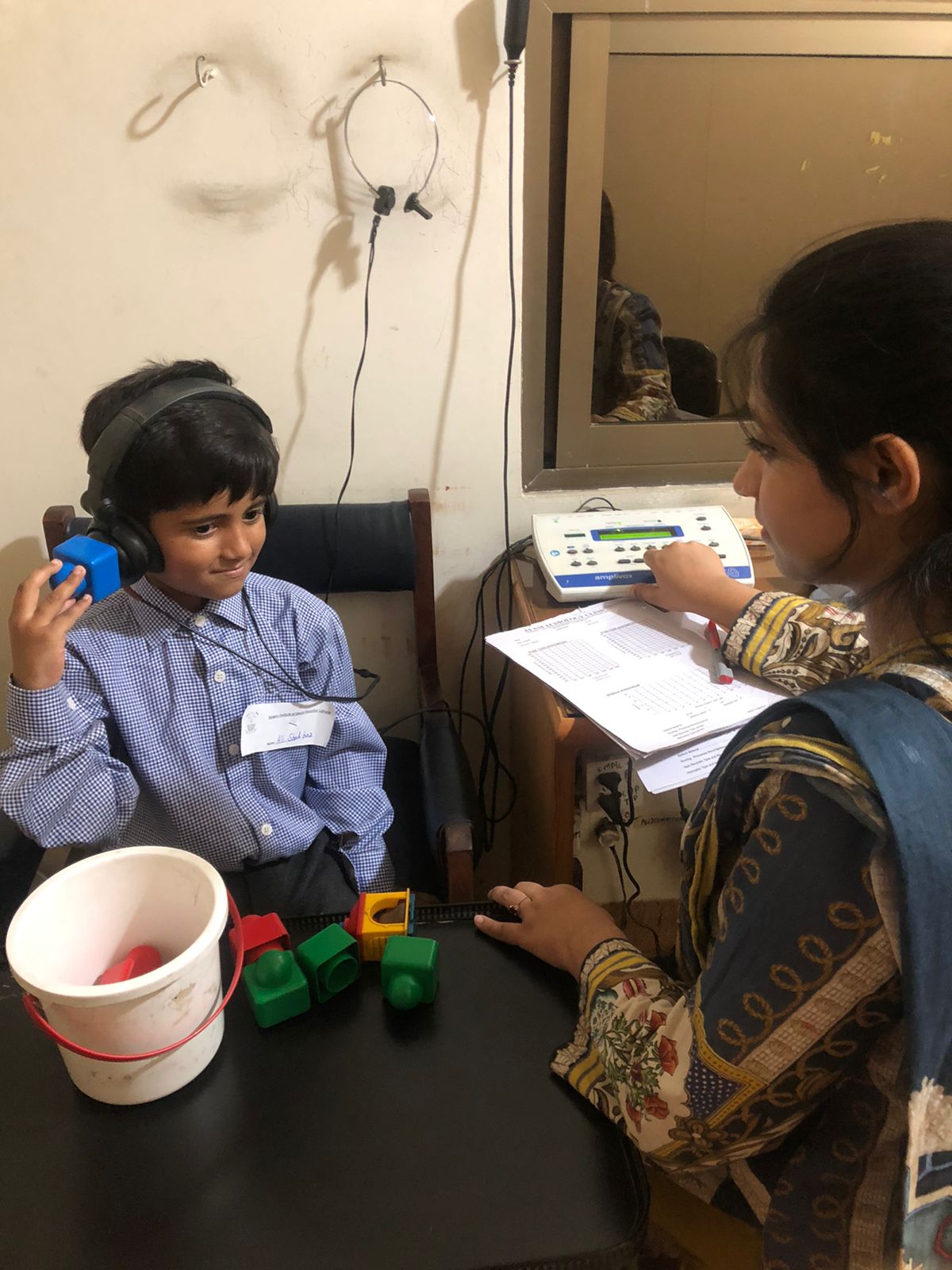
Together, as professionals, parents, educators, policymakers, and compassionate citizens, we can give hearing-impaired children what they deserve: the freedom to speak, to be heard, and to live without limits.
Because no child should grow up in silence.
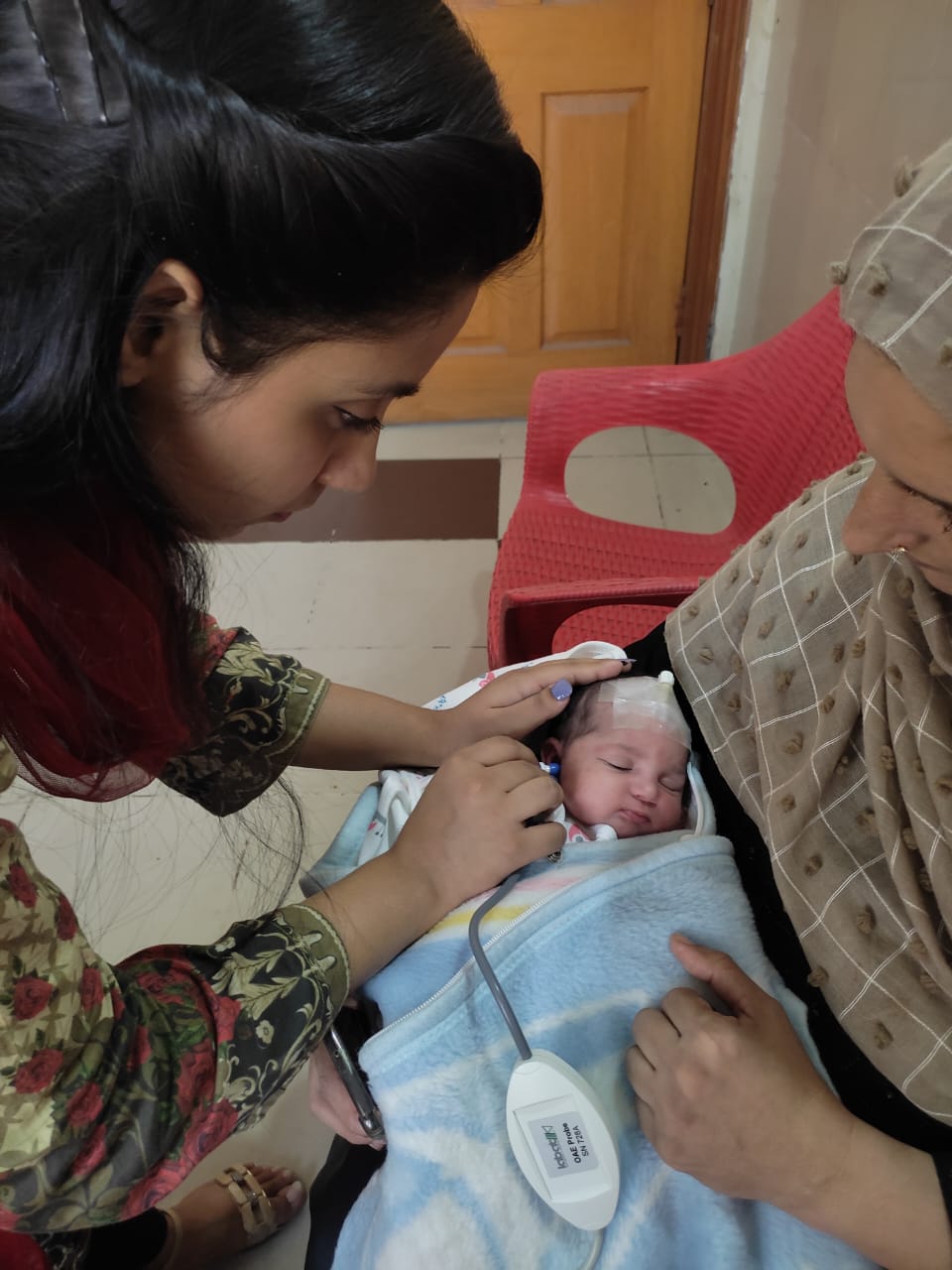
Bushra Naseer is a Gold Medalist from King Edward Medical University with a BSc (Hons) in Audiology, an MSRS in Audiology, and an MBSA (UK). For over six years, she has dedicated her career to helping hearing-impaired children discover the world of sound and find their voice. As Clinical Audiologist and Director Programs at the Society for Audiological and Developmental Ailments (SADA), and Lecturer in Audiology at PSRD, she works at the intersection of clinical care, education, and advocacy, driven by the belief that no child should grow up in silence.
